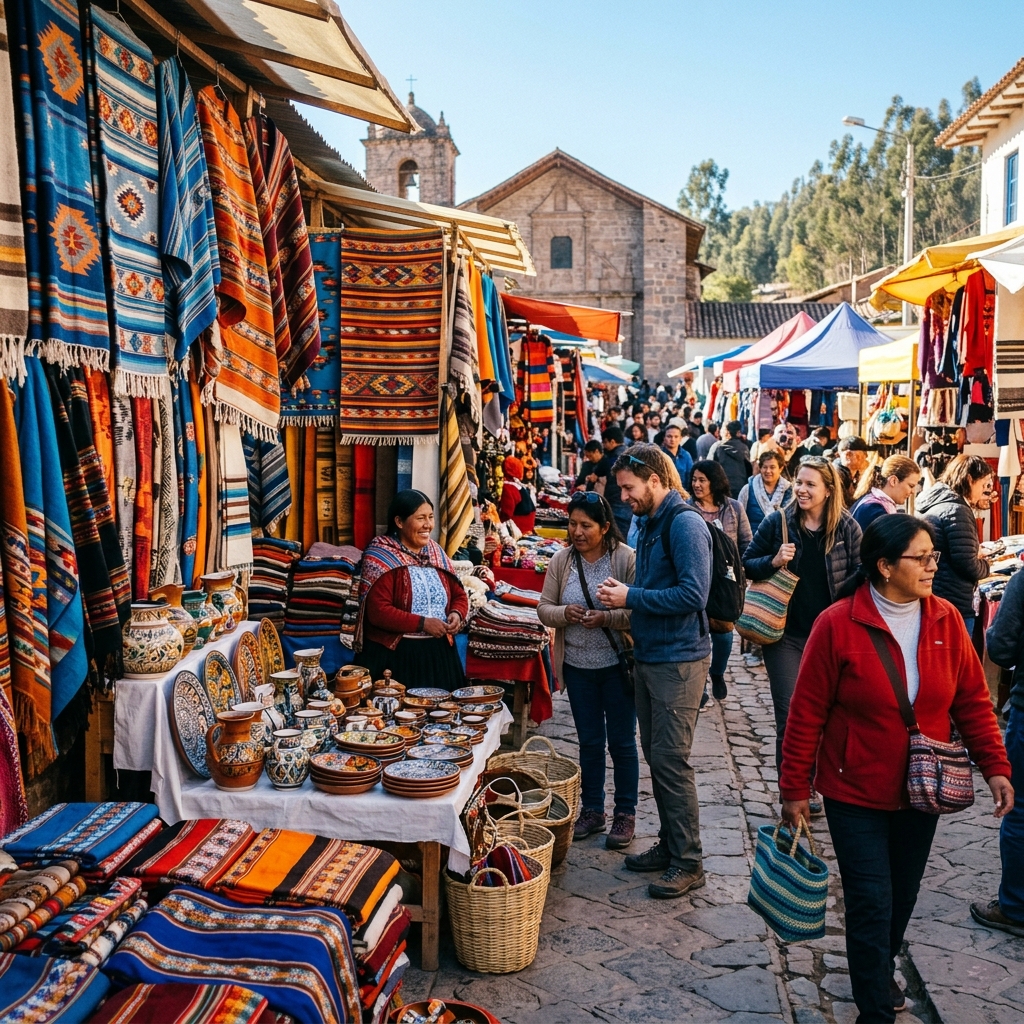
Textile weaving is a mesmerizing art form that interlaces threads to create fabric. It is a tradition woven into the fabric of cultures worldwide, from the intricate silk sarees of India to the robust woolens of the Andes.
The Loom: The Artisan's Canvas
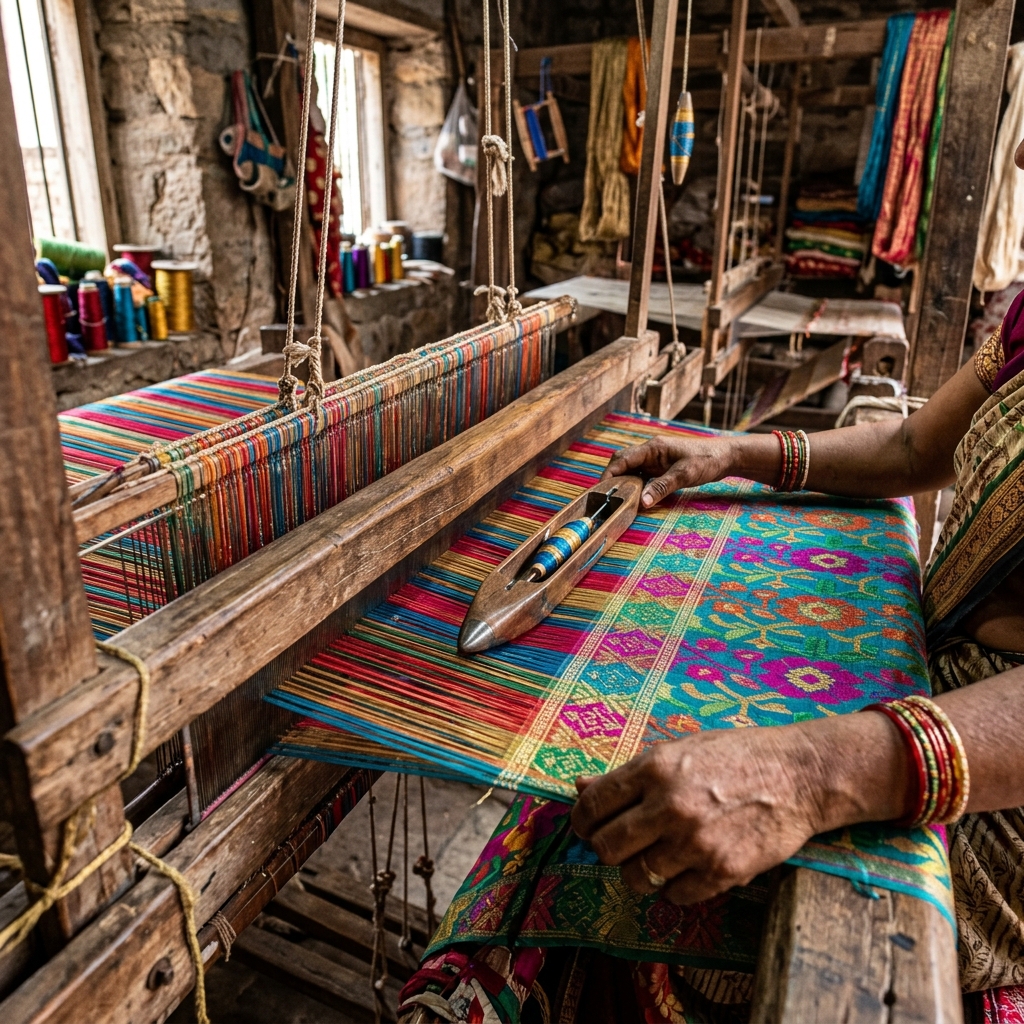
At the heart of weaving is the loom. While industrial looms can produce thousands of meters of fabric an hour, the handloom operates at the human pace—a rhythmic dance between the weaver's hands and feet.
The Common Types of Traditional Looms:
* **Pit Looms**: Set at ground level in a small pit, these are common in traditional Indian weaving clusters like Banaras. They allow for great tension control and detailed patterns. * **Frame Looms**: A free-standing structure that allows for larger pieces of fabric, often used for rugs and heavy wall hangings. * **Jacquard Looms**: A specialized loom that uses a series of cards (or modern digital equivalent) to create extremely complex, photographic-style patterns in the weave.
Anatomy of a Weave
Every woven fabric consists of two sets of threads: 1. **The Warp**: These threads run vertically and are held under high tension on the loom. They form the backbone of the fabric. 2. **The Weft**: These threads run horizontally and are interlaced through the warp using a shuttle.
The Alchemy of Natural Dyes
Authentic handwoven textiles go beyond the loom; they often start with the dye pot. Artisans frequently use heritage recipes: * **Indigo**: Derived from the Indigofera plant for deep, soulful blues. * **Madder Root**: For vibrant earthy reds and oranges. * **Pomegranate Peels**: For rich, mustard yellows and olives. Unlike synthetic dyes, natural colors have 'depth'—they age gracefully and are much kinder to both the artisan's skin and the environment.
Why Handloom is Superior
Handwoven fabric is 'alive'. Because the tension is managed by human hands rather than a rigid machine, the fabric has more breathability and a unique 'drape' that machines simply cannot replicate. Each meter of fabric carries the subtle rhythm of the weaver who created it.