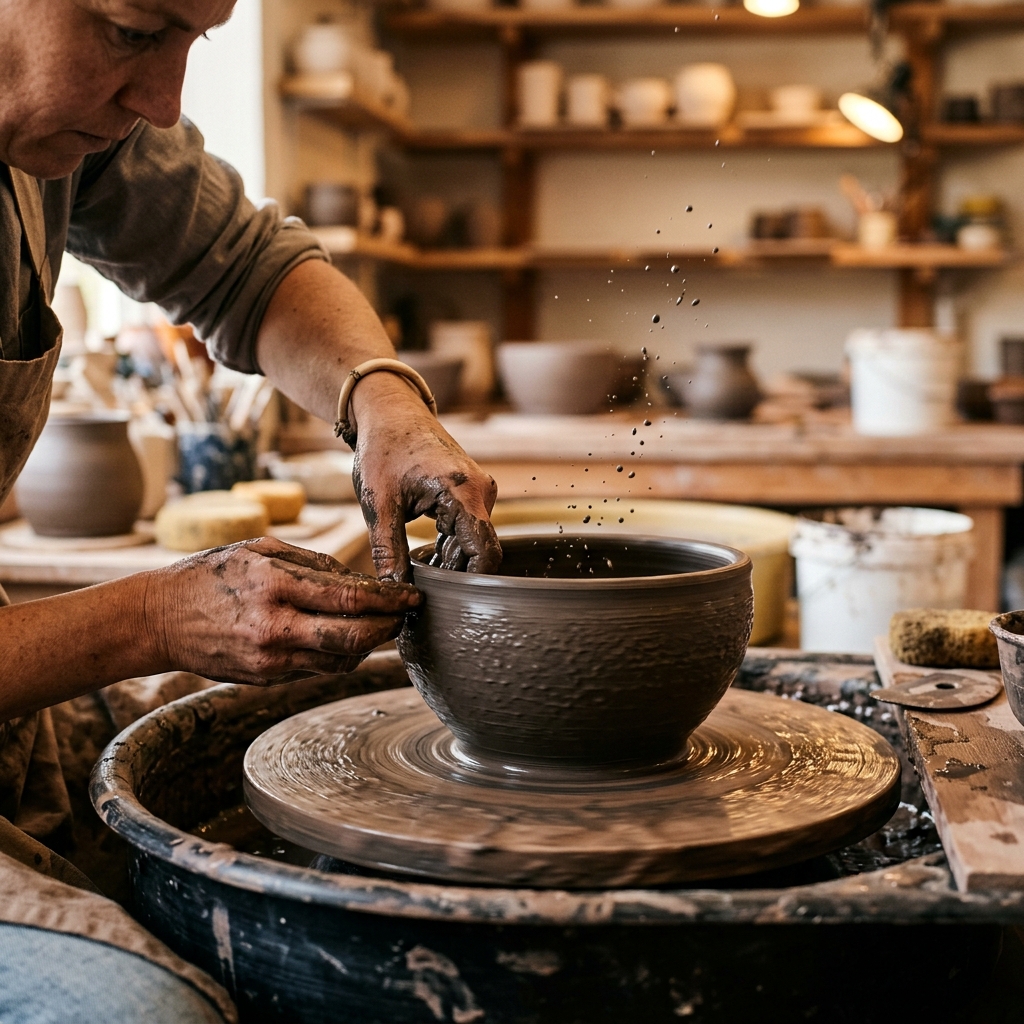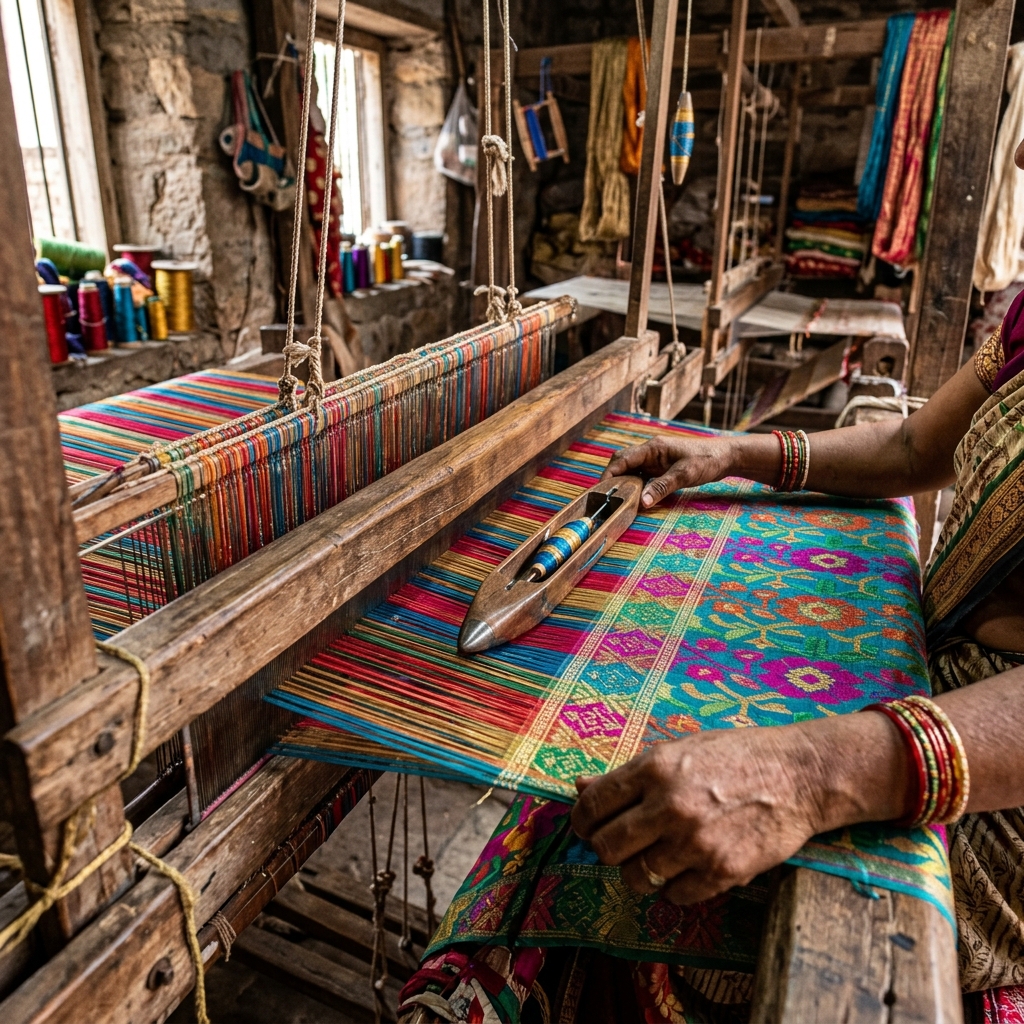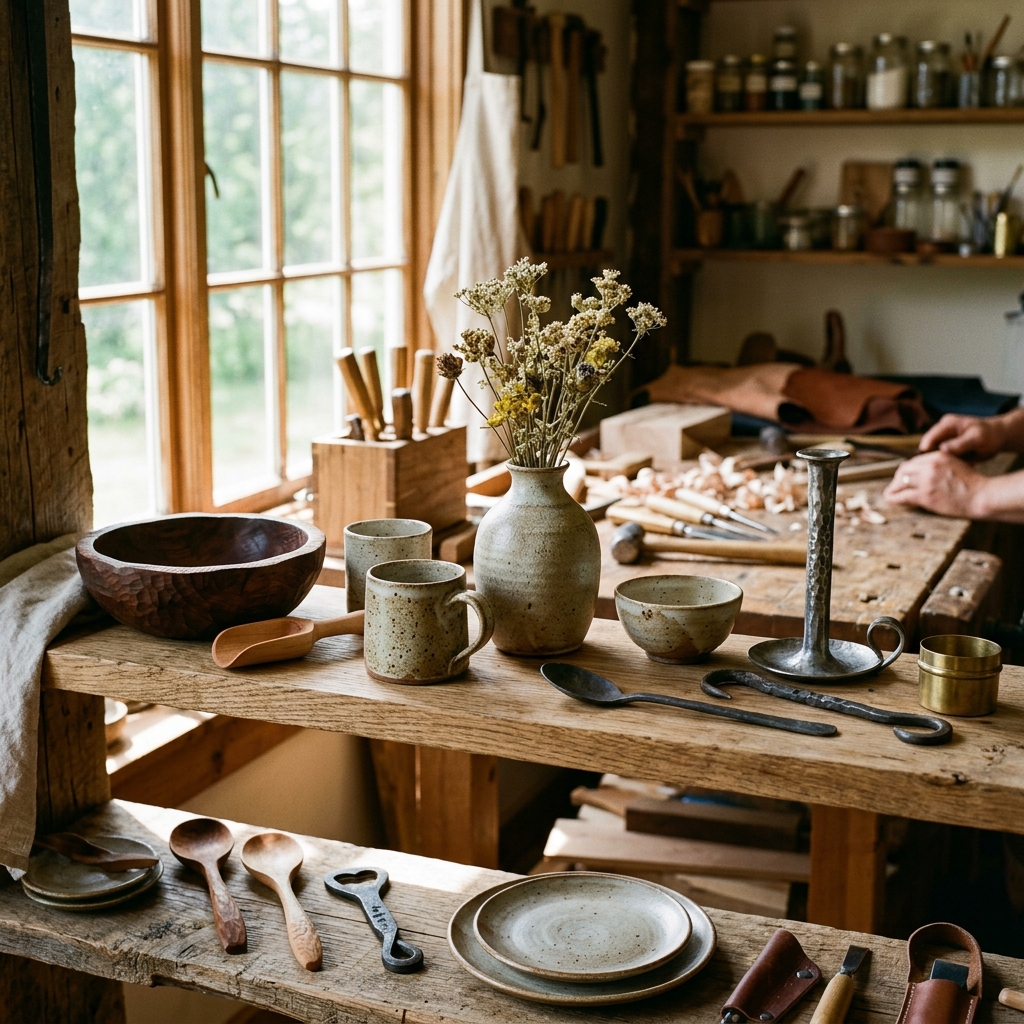
In a market filled with "handmade-look" products, it can be challenging to find the real deal. Our guide provides you with practical tips to ensure you're getting authentic artisan crafts that honor traditional skills.
1. The 'Identical Match' Test
Look at two or three items of the same design. In factory-made items, they will be 100% identical. In authentic handmade products, you will always find minute differences—a slightly different glaze drip, a slight variation in a hand-painted floral motif, or a unique wood grain. These are not flaws; they are proof of a human creator.
2. Evaluate the Underside
Flip the product over. Often, the base of a ceramic vase or the underside of a wooden tray tells the real story. Visible tool marks, potter's fingerprints at the base, or the absence of a perfectly machined rim are strong indicators of authenticity.
3. The Smell and Texture Test
* **Leather**: Genuine handmade leather has a deep, animalistic, and slightly earthy scent. It feels warm to the touch and develops a patina over time. Synthetic 'vegan' leathers often smell of chemicals and feel like plastic. * **Textiles**: Put your hand on the fabric. Hand-woven cotton has a slight 'roughness' or texture that machine-knit fabrics lack. Look for occasional 'slubs' (small knots or thickenings in the thread)—these are typical of hand-spun yarn.
4. Documentation and Transparency
Authentic artisans and their marketplaces (like Art & Crafts) take pride in their heritage. Look for: * **Artisan Profiling**: Knowing the name and region of the maker. * **Batch Size**: Authentic handmade items are usually produced in small batches, not thousands at a time. * **Process Detail**: Does the seller explain the specific technique (e.g., Dhokra metal casting or Block Printing)?
5. Beware of 'Too Perfect' Finishes
If a complex wooden carving is perfectly smooth in every deep crevice, it was likely done by a CNC machine. Hand-carving leaves subtle, directional marks from the chisel that add soul to the piece.