Sustainability is more than a trend; it's a necessity. Choosing handmade crafts is a simple yet powerful way to reduce your environmental footprint while surrounding yourself with items that have meaning.
The Low Carbon Footprint of 'Hand Skill'
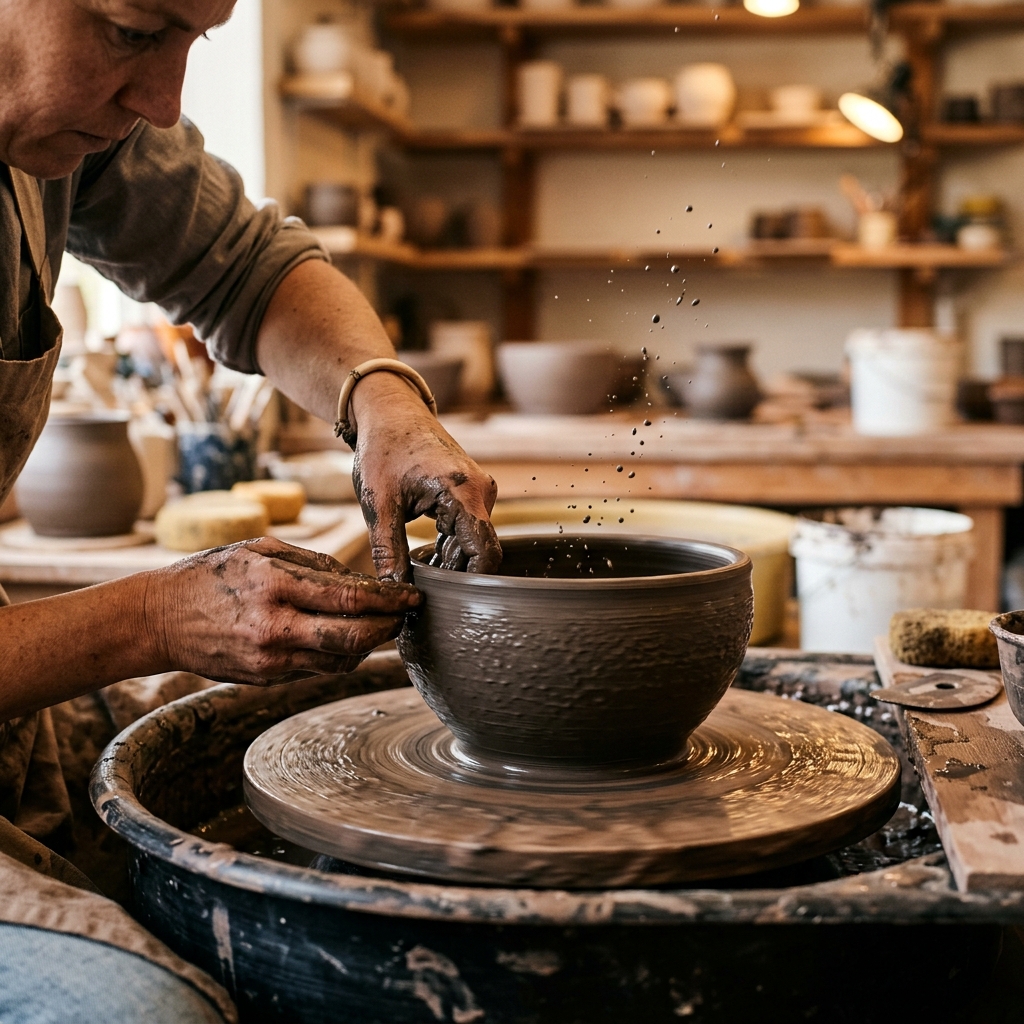
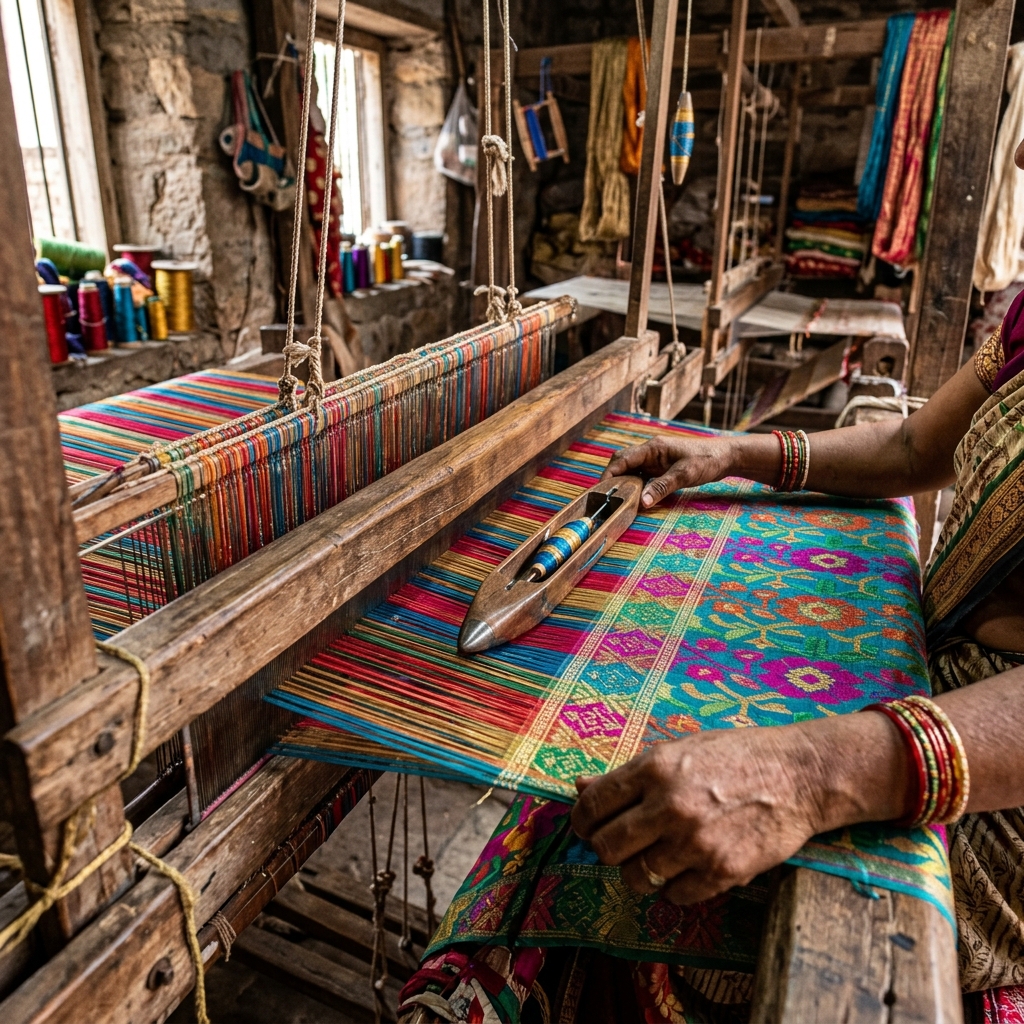
Unlike industrial manufacturing, which relies on energy-intensive factories and heavy machinery, handmade production is driven by human energy. The carbon footprint of a handloomed shawl or a hand-thrown bowl is exponentially lower than its mass-produced counterpart.
Biodegradability: Crafting with the Earth
Most authentic handmade crafts use materials that come from the earth and can ultimately return to it. * **Terracotta and Clay**: Essentially just fired earth, these break down naturally over time. * **Natural Fibers**: Jute, cotton, and silk are fully biodegradable. * **Natural Finishes**: Artisans often use beeswax, linseed oil, or natural resins instead of toxic plastics or volatile varnishes.
Quality Over Consumption (The Slow Living Path)
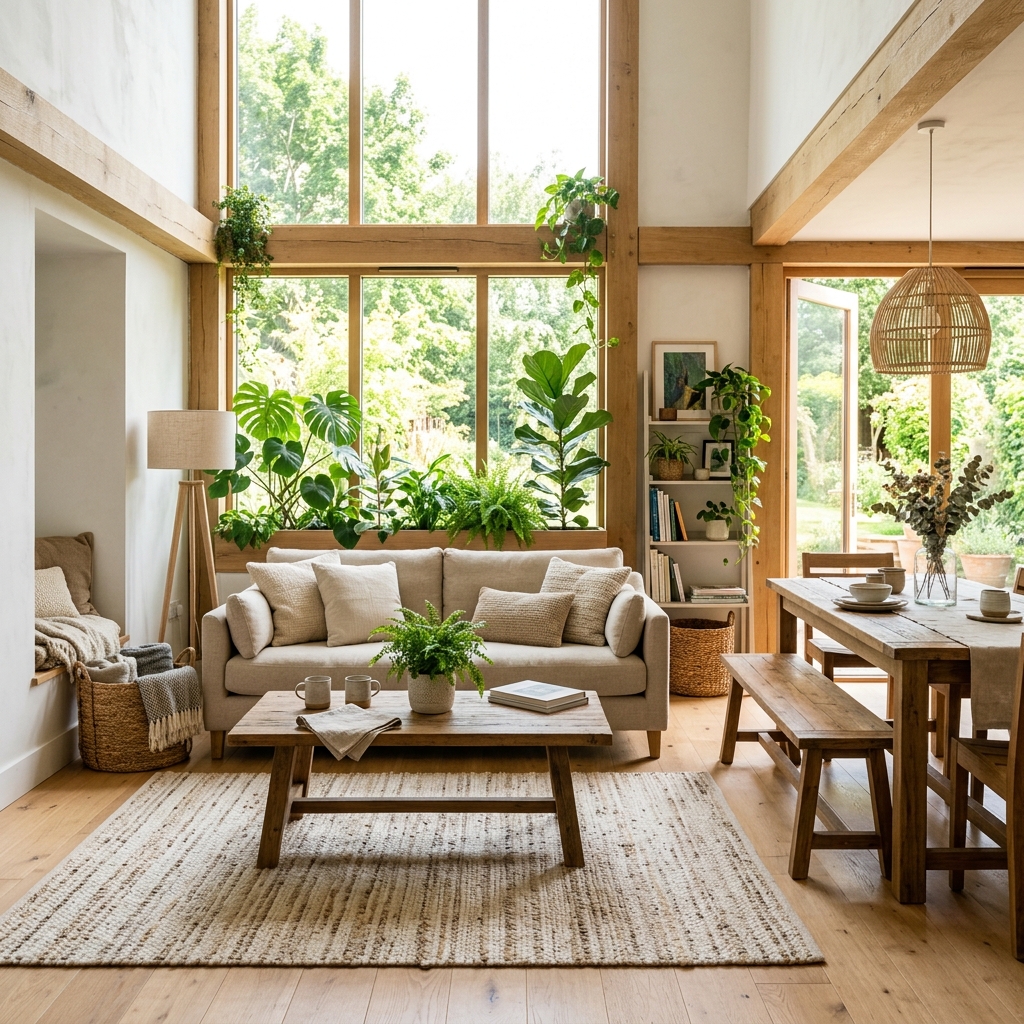
Industrial culture encourages 'disposable' living—buying cheap items that break and end up in landfills. Handmade products are designed for longevity. When you buy a high-quality handcarved wooden table, you are buying a piece of furniture that can be passed down through generations. This long-term mindset is the foundation of true sustainability.
Supporting Local Ecosystems
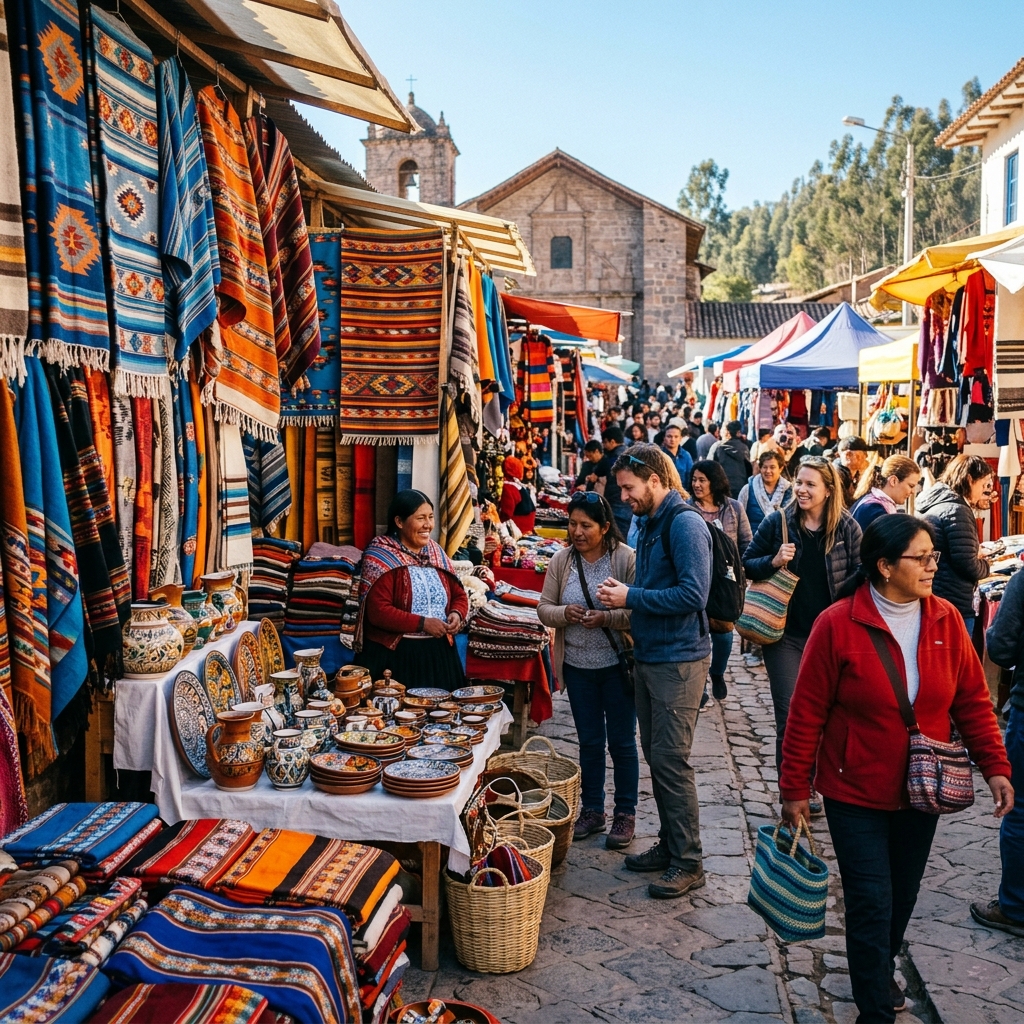
Handmade production usually involves local sourcing. This means less fuel spent on transportation and more investment in your immediate community. By supporting a local artisan, you are helping to sustain a local economy and keep traditional knowledge from going extinct.
Minimal Packaging, Maximal Value
Mass-market products often come wrapped in layers of non-recyclable plastic for shipping and retail display. Most artisans use minimal, eco-friendly packaging—often recycled paper or cloth—further reducing the environmental impact of your purchase.